Fruit Plants
-
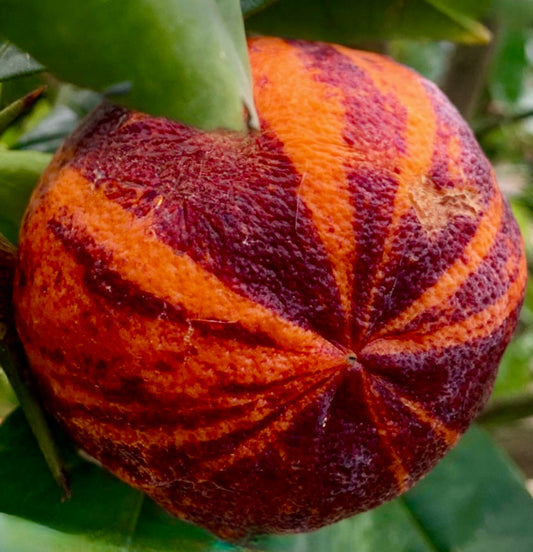
Citrus clementina RED RUBIN 40-75cm | Clementine | Christmas orange
Regular price €80,00Regular priceUnit price per -
Citrus sinensis NAVEL 80-160cm | Sweet orange | Orange
Regular price €65,00Regular priceUnit price per -
Fortunella hindsii (syn. Citrus hindsii) 40-80cm | Hong Kong kumquat | Chinese kumquat
Regular price €100,00Regular priceUnit price per -
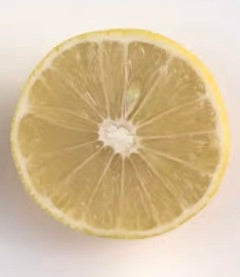
Citrus limettioides PALESTINE 40-80cm | Sweet lime | Indian sweet lime
Regular price €100,00Regular priceUnit price per -
Citrus Meyer x Sinensis 'Acrobal' 65-120cm | Meyer lemon | Improved lemon
Regular price €120,00Regular priceUnit price per -
Citrus limettioides PALESTINE 85-120cm | Sweet lime | Indian sweet lime
Regular price €130,00Regular priceUnit price per -
Fortunella hindsii (syn. Citrus hindsii) 85-120cm | Hong Kong kumquat | Chinese kumquat
Regular price €130,00Regular priceUnit price per -
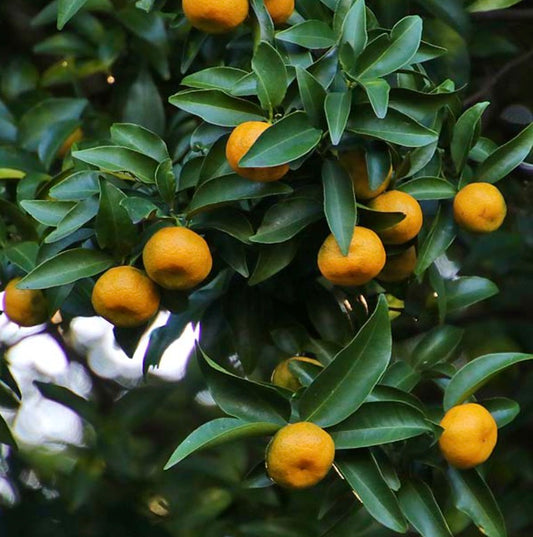
Citrus reticulata subsp. tachibana 75-120cm | Tachibana orange | Tachibana mandarin
Regular price €120,00Regular priceUnit price per -
Citrus clementina RED RUBIN 80-160cm | Clementine | Christmas orange
Regular price €120,00Regular priceUnit price per -
Citrus sinensis NAVEL 40-75cm | Sweet orange | Orange
Regular price €55,00Regular priceUnit price per -
Citrus reticulata subsp. tachibana 40-70cm | Tachibana orange | Tachibana mandarin
Regular price €100,00Regular priceUnit price per -
Citrus Meyer x Sinensis 'Acrobal' 40-60cm | Meyer lemon | Improved lemon
Regular price €100,00Regular priceUnit price per



Collections
-
Books & Readings
Books and Readings: Discover the World of Plants Through Pages Why Read...