
- Catalogue Plants
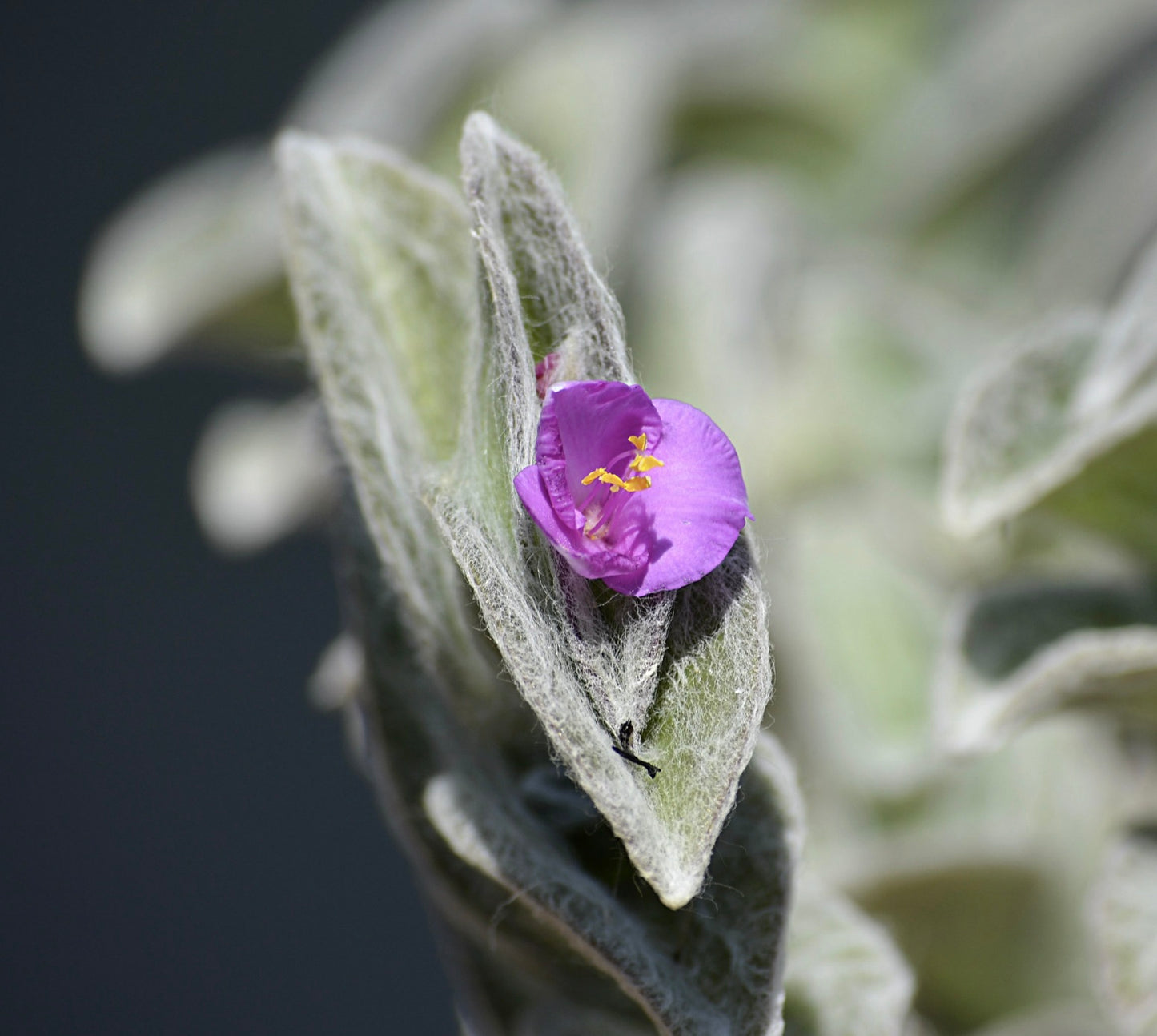
Tradescantia sillamontana | White velvet | Cobweb spiderwort
Tradescantia sillamontana | White velvet | Cobweb spiderwort
Regular price
€10,00
Regular price
Sale price
€10,00
Unit price
per
Taxes included.
Shipping calculated at checkout.
Couldn't load pickup availability
Plant Description
Tradescantia sillamontana is a captivating species within the Tradescantia genus sillamontana, renowned for its distinctive woolly appearance. This plant's silvery leaves are densely covered with fine, white hairs, giving the foliage a soft, velvety texture that is both visually and tactilely appealing. Native to arid regions, the Tradescantia sillamontana native habitat influences its unique morphological traits, including succulent-like leaves that conserve moisture. The Tradescantia sillamontana leaf texture stands out among other species, contributing to its popularity among collectors and enthusiasts. Its botanical description highlights a compact growth habit with trailing stems, making it an ornamental favorite for indoor and outdoor displays. Identification of this species is straightforward due to its characteristic woolly foliage and silvery sheen. The Tradescantia sillamontana morphology and taxonomy reflect adaptations to dry environments, while its collector interest remains high because of its rarity and ornamental value. Overall, the Tradescantia sillamontana plant is a striking example of nature's diversity, combining unique texture and subtle coloration in a hardy form.
IMPORTANT: Pictures show mother plant not for sale, the offer is for a plant with dimension indicated in description.
IMPORTANT: Pictures show mother plant not for sale, the offer is for a plant with dimension indicated in description.
Botanical family: Commelinaceae
Botanical genus: Tradescantia
Botanical species: Tradescantia sillamontana
SKU:WP-2386-S
Cultivation
Cultivation
Info and Disclaimers
Info and Disclaimers
Plant Height:
Plant Diameter:
Pot Size:
Grafted/Not Grafted: Not Grafted
Disclaimer: Be aware that most plants change across seasons. If present foliage, could have been fallen or change in its color.