Myrtus – Aromatic evergreen of Mediterranean light
Botanical identity and origin
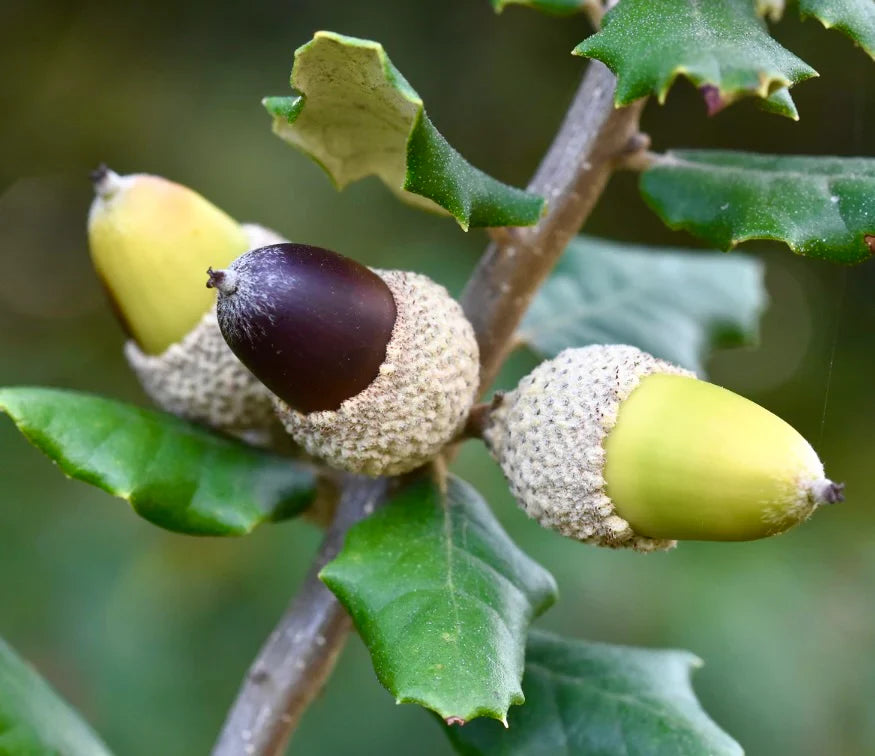
Native to Mediterranean coastal habitats, Myrtus develops as an evergreen Mediterranean shrub adapted to dry summers and mild winters. The species myrtus communis, often known as the common myrtle shrub, forms a naturally compact dense growth habit with fine branching. Leaves are small, leathery, and rich in oils, expressed through small aromatic leaves and glossy dark green foliage. Within scrublands and rocky slopes, Myrtus evolved to balance water conservation with persistent photosynthesis.
Species identity and ornamental resonance
The genus is limited, yet highly recognizable. Myrtus communis is valued for its refined proportions and restrained flowering. In early summer, shrubs produce white star-shaped flowers marked by prominent golden stamens, creating a luminous contrast against evergreen foliage. These are followed by blue-black aromatic berries that extend interest into autumn. Ornamental appeal arises from scent, texture, and seasonal subtlety rather than bold display.
Cultivation and landscape adaptability
In cultivation, Myrtus thrives in full sun, dry rocky soils, and sheltered exposures. Its natural heat and drought tolerance supports long-term performance with minimal irrigation. Pruning can enhance density or maintain natural form, making the shrub suitable for hedging, containers, or informal plantings.
-
Foliage releasing scent under warm air
-
Flowers appearing lightly across branch tips
-
Berries forming discreet seasonal accents
-
Structure remaining stable through dry cycles
Symbolic synthesis and aesthetic meaning
Ultimately, Myrtus conveys a poetics of purity and endurance. Through myrtus communis, the genus embodies Mediterranean resilience expressed through fragrance and form. Its evergreen presence, aromatic leaves, and modest blooms render Myrtus a botanical emblem of clarity, tradition, and landscapes shaped by sun and stone.