Iris
Iris spans species such as iris germanica, iris sibirica, iris pseudacorus, iris ensata, iris pallida, and iris reticulata, each shaped by sword-shaped foliage, rhizomatous perennial form, and affinities for moist riparian habitat. Through fragrant bearded flowers, color-banded falls and standards, and a late-spring blooming cycle, Iris expresses clarity, movement, and chromatic depth across landscapes informed by water and shifting light.
-
Iris bulleyana 10-40cm | Bulley's iris | Bulley iris
Regular price €72,00Regular priceUnit price / perSale price €72,00 -
Iris bulleyana 45-80cm | Bulley's iris | Himalayan iris
Regular price €88,00Regular priceUnit price / perSale price €88,00Sold out -
Iris domestica syn. (Belamcanda chinensis) | Blackberry lily
Regular price €68,00Regular priceUnit price / perSale price €68,00 -
Iris foetidissima 2 rhizomes 8-15cm | Stinking iris | Gladwin iris
Regular price €18,10Regular priceUnit price / perSale price €18,10 -
Iris foetidissima 5-10cm | Stinking iris | Roast-beef plant
Regular price €5,70Regular priceUnit price / perSale price €5,70 -
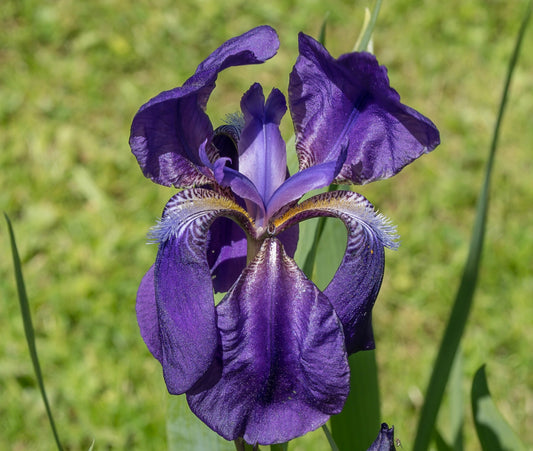
Iris germanica 2 rhizomes | Bearded iris | German iris
Regular price €18,00Regular priceUnit price / perSale price €18,00 -
Iris germanica 5 rhizomes | Bearded iris | German iris
Regular price €34,20Regular priceUnit price / perSale price €34,20Sold out -
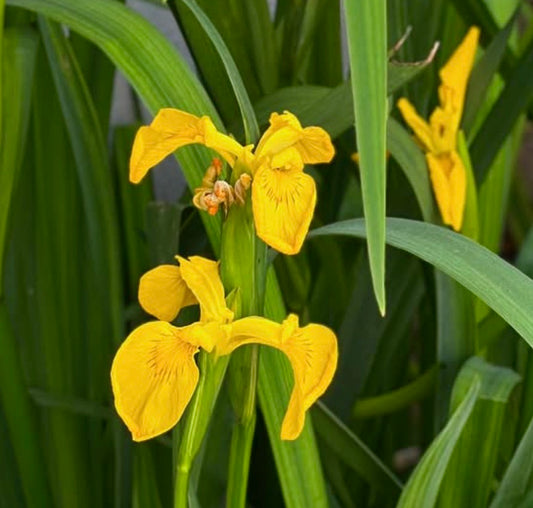
Iris pseudacorus 20-25cm | Yellow flag iris | Yellow water iris
Regular price €31,40Regular priceUnit price / perSale price €31,40Sold out -
Iris pseudacorus 5-10cm | Yellow flag | Yellow iris
Regular price €16,50Regular priceUnit price / perSale price €16,50
Iris – The chromatic sigils of water and light
Botanical identity and origin
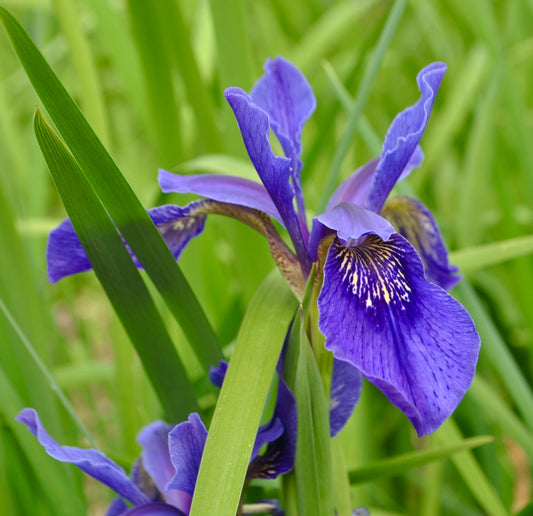
Belonging to Iridaceae, Iris bridges moist riparian habitat, sunlit meadows, and temperate woodlands through its rhizomatous perennial form and vivid floral geometry. The genus is defined by sword-shaped foliage, architectural fan-like growth, and a unique division between upright standards and pendant falls. Species such as iris germanica exemplify this expressive morphology, while Iris across habitats reveals an ecological spectrum shaped by soil variation, water availability, and evolutionary pollinator dynamics.
Species diversity and ornamental resonance
Within Iris, chromatic and structural variation remains central: the refined cool-toned hues of iris sibirica, the wetland luminosity of iris pseudacorus, and the saturated purples and whites of iris ensata. Meanwhile, iris pallida contributes fragrance and glaucous foliage, and iris reticulata introduces delicate early-season contrast. Across these forms, Iris articulates color-banded falls and standards, an interplay of markings, veining, and iridescence. Through differing habitats and bloom timings, Iris maintains a palette that moves fluidly across climatic gradients.
Cultivation and landscape adaptability
In cultivation, Iris thrives in well-drained soils, ample light, and watering patterns aligned with species-specific needs. Wetland taxa like iris pseudacorus prefer constant moisture, while iris germanica benefits from dry summer intervals that strengthen rhizome structure. The late-spring blooming cycle of many species aligns naturally with temperate seasons, allowing Iris to integrate elegantly into perennial borders, meadow compositions, and waterside plantings.
-
Fans of foliage catching slanted morning light
-
Pigmented veins guiding pollinators with quiet precision
-
Subtle fragrance rising from shaded stands
-
Seasonal rhythms balancing foliage mass and bloom
Symbolic synthesis and aesthetic meaning
Ultimately, Iris embodies a narrative of clarity and transition, where fragrant bearded flowers and refined structural motifs converge. Through species such as iris ensata and iris pallida, the genus evokes a poetics of color, water, and equilibrium. In its luminous forms and shifting seasonal registers, Iris becomes a botanical emblem of elegance rooted in both moisture and light.
Collections
-
Books & Readings
Books and Readings: Discover the World of Plants Through Pages Why Read...