Idesia – The pendulous berry silhouettes of East Asian canopies
Botanical identity and origin
Native to East Asian montane habitat, Idesia forms elegant deciduous trees marked by broad heart-shaped leaves and a light-filtering open canopy. The species idesia polycarpa exemplifies the genus through tall, slender silhouettes and flexible branching structures. Its smooth pale gray bark and gentle foliar translucence respond dynamically to changing light conditions. Within forest margins and riverine clearings, Idesia evolved under cool climates, seasonal moisture, and shifting altitudinal gradients that shaped its growth rhythms.
Species diversity and ornamental resonance
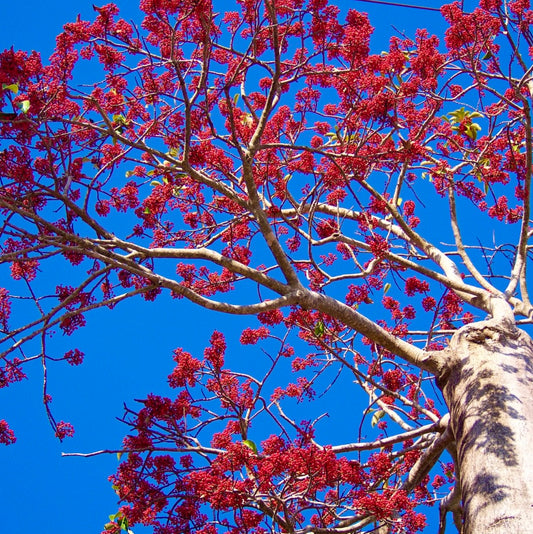
Although centered on idesia polycarpa, the genus displays variation in leaf size, canopy breadth, and fruit density. Small-fruited idesia varieties introduce subtle differences in berry formation, while the genus’s hallmark drooping red berry clusters bring vivid chromatic accents to late-season landscapes. The dioecious flowering structure separates male and female individuals, creating a nuanced reproductive pattern. Through these layered traits, Idesia blends foliar elegance with distinctive fruiting architecture.
Cultivation and landscape adaptability
In cultivation, Idesia thrives in well-drained soils, moderate moisture, and exposures that highlight its foliage and seasonal transitions. As a cold-tolerant idesia species, it adapts well to temperate gardens, where deciduous idesia tree form introduces height without visual heaviness. The late-summer idesia fruiting phase enriches ecological value, providing color and wildlife interest.
-
Leaves shimmering across open canopies
-
Fruit clusters accenting soft seasonal shifts
-
Branches forming airy upward gestures
-
Bark surfaces reflecting pale diffuse light
Symbolic synthesis and aesthetic meaning
Ultimately, Idesia conveys a poetics of delicacy and seasonal radiance. Through forms such as idesia polycarpa, the genus melds translucence, berry ornamentation, and arboreal grace. In its light-responsive foliage and pendulous fruits, Idesia stands as a botanical emblem of subtle abundance and temperate beauty.