Hylocereus

Hylocereus includes hylocereus undatus, hylocereus polyrhizus, hylocereus costaricensis, hylocereus megalanthus, and forms known as dragon fruit hylocereus or dragon fruit plant, defined by aerial climbing cactus stems, three-ribbed stem architecture, and nocturnal hylocereus flowers. Rooted in tropical dry-forest epiphyte habitats, these species follow a summer hylocereus bloom cycle, expressing luminous vertical growth.

Hylocereus – The nocturnal climbers of tropical dry forests

Botanical identity and origin

Native to tropical dry-forest epiphyte zones of Central America, Hylocereus forms sprawling climbers characterized by aerial climbing cactus stems and a distinctive three-ribbed stem architecture. These structures enable the genus to attach to trees or rocky faces while optimizing photosynthesis in fluctuating humidity. Species such as hylocereus undatus reveal nocturnal hylocereus flowers, large and scented, adapted to moth and bat pollinators. Through these ecological strategies, Hylocereus balances drought resilience with rapid vertical expansion.

Species diversity and ornamental resonance

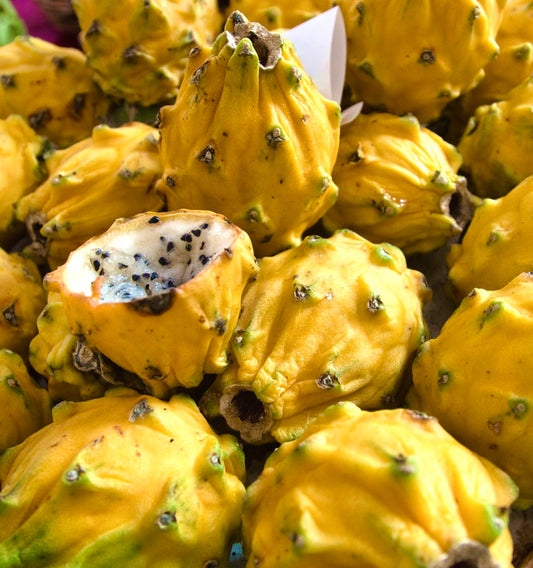
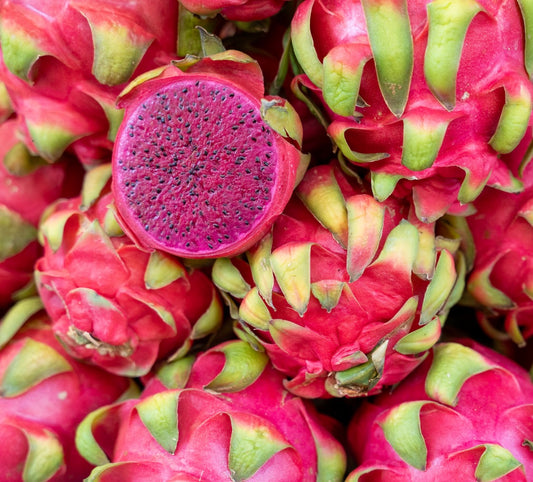
The diversity of Hylocereus spans chromatic and structural variation. Hylocereus polyrhizus displays red-pigmented stems and vivid inner fruit flesh, while hylocereus costaricensis intensifies these tones with deeper saturation. Hylocereus megalanthus is noted for its bright-yellow fruits and intricate spination. Common references such as dragon fruit hylocereus and dragon fruit plant underscore global familiarity while retaining botanical grounding. Across species, Hylocereus demonstrates luminous floral displays linked to its summer hylocereus bloom cycle.

Cultivation and landscape adaptability

In cultivation, Hylocereus thrives in warm climates, porous soils, and vertical supports that guide its climbing habit. As a hylocereus cactus with tropical ancestry, it favors strong light and controlled irrigation aligned with seasonal rhythms. Species like hylocereus polyrhizus respond with vigorous branching under thermal stability, while flowering remains tied to nighttime conditions and humidity.

  • Stems tracing angular climbing paths

  • Flowers opening under nocturnal stillness

  • Seasonal warmth driving rapid extension

  • Architectural silhouettes marking vertical space

Symbolic synthesis and aesthetic meaning

Ultimately, Hylocereus articulates a poetics of ascent and night-blooming brilliance. Through species such as hylocereus undatus and hylocereus costaricensis, the genus mirrors the interplay of darkness, humidity, and structural ingenuity. In its ribbed stems and luminous nocturnal blossoms, Hylocereus stands as a botanical emblem of tropical elevation and twilight radiance.