Hovenia – The raisin-fruited crowns of East Asian forests
Botanical identity and origin
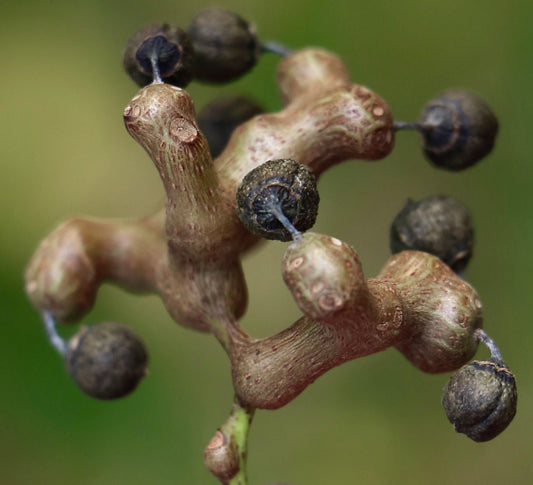
Rooted in East Asian woodland habitat, Hovenia forms elegant deciduous structures defined by soft serrated leaf margins and an airy, broad deciduous crown form. Species such as hovenia dulcis, commonly known as the japanese raisin tree, produce distinctive sweet peduncle fruit stalks that mature as surrounding capsules lignify. The genus evolved across temperate forest margins where soil richness, seasonal light shifts, and moderate humidity shape growth patterns. Through these traits, Hovenia integrates botanical subtlety with ecological adaptability.
Species diversity and ornamental resonance
Within the genus, hovenia acerba and related forms display nuanced variations in leaf size, seasonal color transitions, and branching finesse. The fragrant spring hovenia flowers emerge discreetly, followed by late-season transformation of peduncles into fleshy, edible structures. Meanwhile, the presence of woody berry-like capsules underscores the genus’s reproductive particularities. Across species and varieties, Hovenia blends delicate foliar texture with fruiting forms that animate warm-season landscapes.
Cultivation and landscape adaptability
In cultivation, Hovenia flourishes in well-drained soils, sun to partial shade, and climates compatible with cold-tolerant hovenia species. Its light-filtering upper canopy creates coherent transitions within mixed tree compositions, while late-summer ripening peduncles add structural and seasonal interest. As a resilient tree with moderate growth, Hovenia adapts well to gardens, parks, and broader naturalistic plantings.
-
Leaves shimmering under midseason sunlight
-
Peduncles swelling into sculptural late-summer forms
-
Branches tracing open, upward geometries
-
Seasonal rhythms articulating subtle forest dynamics
Symbolic synthesis and aesthetic meaning
Ultimately, Hovenia communicates a poetics of gentle abundance. Through forms such as hovenia dulcis and japanese raisin tree, the genus merges understated foliage with unexpected fruiting elegance. In its seasonal shifts and luminous canopy, Hovenia stands as a botanical emblem of temperate richness and quiet ornamental presence.