Hesperaloe – The fibrous desert rosettes of Southwestern light
Botanical identity and origin
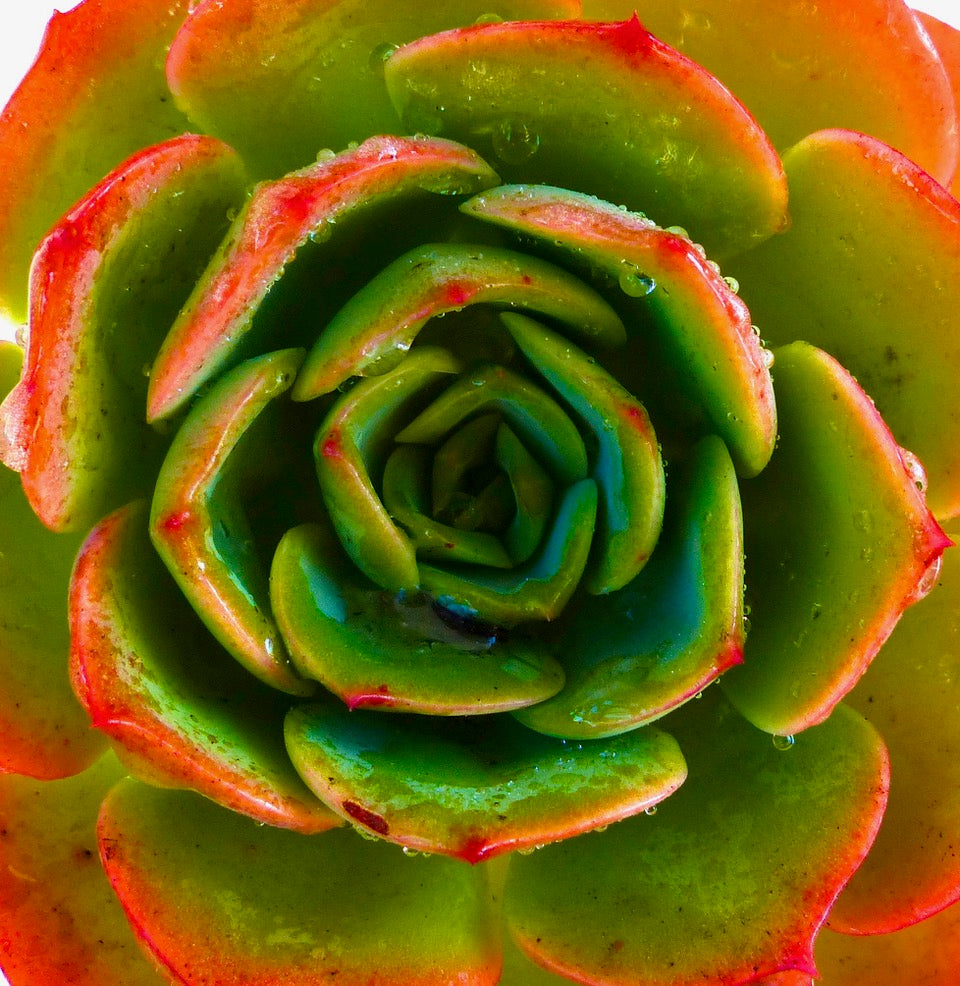
Native to Southwestern xeric habitat, Hesperaloe forms resilient rosettes shaped by arching fibrous leaves that echo both yuccas and agaves while remaining botanically distinct. Its basal rosette succulent form stores moisture efficiently, supporting the emergence of tall flowering wands that rise above desert surfaces. Species such as hesperaloe parviflora and hesperaloe funifera thrive across arid slopes, where gravelly soils and intense light define growth patterns. Within these landscapes, Hesperaloe modulates drought, heat, and nocturnal pollination cycles.
Species diversity and ornamental resonance
The genus Hesperaloe offers variations ranging from narrow-leaved hesperaloe parvifolia to larger, sculptural expressions found in giant hesperaloe. Cultivars like hesperaloe pink parade reveal subtle chromatic shifts across bloom stalks, while the commonly used red yucca plant name reflects widespread recognition of the species’ vibrant inflorescences. Through differences in leaf width, fiber strength, and flowering height, Hesperaloe forms dynamic silhouettes that animate arid gardens and desert-inspired compositions.
Cultivation and landscape adaptability
In cultivation, Hesperaloe thrives in sharply drained soils, high solar exposure, e minimal irrigation—traits consistent with its drought-adapted desert perennial nature. Its ability to flower reliably through heat and dryness makes species like hesperaloe parviflora essential in waterwise landscapes. The genus’s summer nocturnal pollinator blooms provide ecological value while maintaining architectural clarity across seasons.
-
Fibrous leaves catching angled desert light
-
Rosettes stabilizing gravelly ground
-
Flowering wands rising in rhythmic arcs
-
Seasonal dryness shaping structural tension
Symbolic synthesis and aesthetic meaning
Ultimately, Hesperaloe embodies a poetics of aridity and vertical grace. Through forms such as hesperaloe funifera and red yucca plant, the genus expresses the quiet resilience of desert flora. Its fibrous textures and luminous stalks position Hesperaloe as a botanical emblem of clarity, endurance, and heat-shaped elegance.