Glyptostrobus – The quiet wetland conifers of mirrored riverlight
Botanical identity and origin
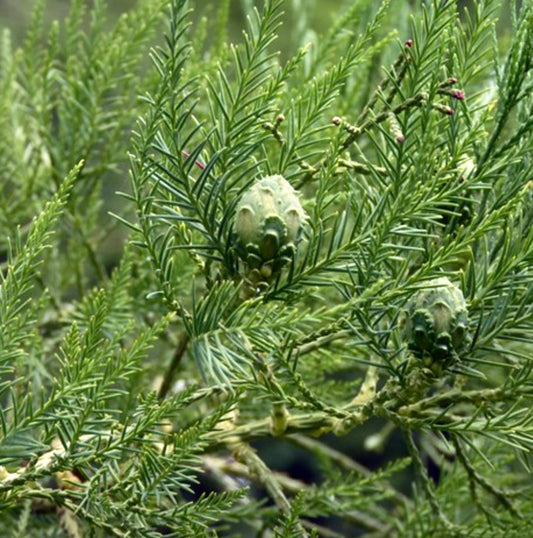
Emerging from riverbank riparian habitat shaped by slow-moving waters, Glyptostrobus embodies an ancient structural vocabulary within the broader swamp cypress relative lineage. Its profile is governed by pendulous branchlets, supple needles, and a buttressed wetland trunk that stabilizes the tree during cycles of inundation. As a deciduous conifer species, Glyptostrobus performs seasonal needle shedding rare among conifers. Species such as glyptostrobus pensilis evoke the profound ecological memory associated with its ancient East Asian lineage, rooted in geologic time.
Species diversity and ornamental resonance
Although now geographically constrained, Glyptostrobus reveals internal variation shaped by millennia of climatic shifts. Fossil forms like glyptostrobus lineatus attest to a once-wide distribution, while extant wetlands preserve trees with soft linear foliage and graceful silhouettes. As a cone-bearing wetland tree, its reproductive structures mirror adaptations to hydrologic fluctuation. Across diverse populations within rooted floodplain forests, Glyptostrobus displays an orchestration of textures and muted colors that deepen as seasonal transitions unfold.
Cultivation and landscape adaptability
In cultivation, Glyptostrobus thrives where moisture is persistent and soils remain saturated or periodically flooded. Its tolerance for inundation and rooting stability suit designed wetlands and restoration landscapes. The interplay of pendulous branchlets with reflective water surfaces enhances spatial atmosphere, while its deciduous conifer species character introduces winter openness and summer density.
-
Needles softening light along wetland margins
-
Trunks rising rhythmically from shallow waters
-
Seasonal transitions revealing structural nuance
-
Flood cycles guiding annual growth behavior
Symbolic synthesis and aesthetic meaning
Ultimately, Glyptostrobus conveys a botanical poetics grounded in silence and perpetuity. Through forms like glyptostrobus pensilis, the genus expresses resilience shaped by water, sediment, and time. Its slow gestures—arching shoots, shedding needles, anchoring roots—render Glyptostrobus an emblem of ecological continuity within shifting wetland worlds.