Gleditsia – The dappled honey-locust canopy of open light
Botanical identity and origin
Rooted in North American floodplain habitat, Gleditsia forms adaptive arboreal structures defined by delicate pinnate leaf texture and an inherently open airy crown structure. The species gleditsia triacanthos exemplifies the genus through finely divided foliage that filters sunlight into shifting patterns across the ground plane. Often known as the honey locust tree, Gleditsia expresses a deciduous legume tree form, balancing drought tolerance with the ability to inhabit alluvial soils shaped by seasonal hydrology.
Species diversity and ornamental resonance
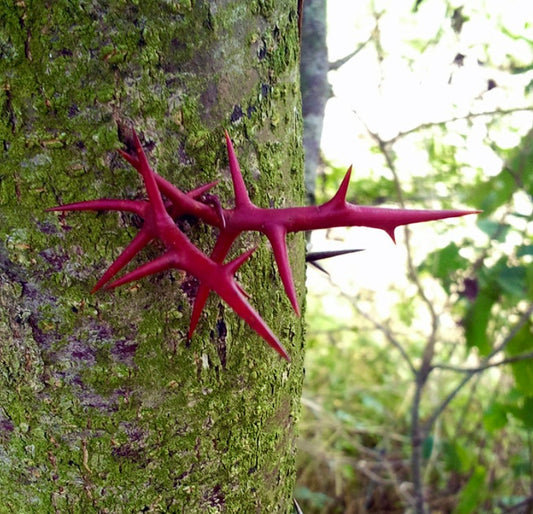
Diversity within Gleditsia appears through cultivar differentiation and ecotypic variation. Selections such as gleditsia sunburst introduce yellow emerging foliage, while gleditsia skyline refines vertical habit and canopy cohesion. Forms like gleditsia triacanthos thornless emphasize accessibility and smooth branching lines, contrasting with the more rugged silhouettes of wild trees. Meanwhile, gleditsia aquatica extends the genus into wetter ecological niches. Across these types, Gleditsia modulates light, texture, e seasonal nuance with quiet clarity.
Cultivation and landscape adaptability
In cultivation, Gleditsia thrives in full sun, adaptable soils, and exposures that enhance its light-dappled summer canopy. Species like honey locust gleditsia respond well to urban conditions, leveraging their tolerance to compaction and variable moisture. Their fine leaflets minimize litter while generating soft-height vegetation layers that integrate into parks, avenues, and large garden compositions.
-
Light shimmering through pinnate foliage
-
Branches casting intricate moving shadows
-
Summer canopies creating open visual rhythm
-
Seasonal shifts enlarging atmospheric presence
Symbolic synthesis and aesthetic meaning
Ultimately, Gleditsia embodies a poetics of luminosity and spaciousness. Through forms such as gleditsia sunburst and gleditsia skyline, the genus conveys an aesthetic of openness shaped by wind, water, and filtered light. In its airy canopies and leguminous heritage, Gleditsia emerges as a botanical emblem of clarity, adaptability, and gentle spatial modulation.