Fraxinus

Fraxinus spans forms such as ash tree, ash trees, white ash, green ash, and fraxinus pennsylvanica, unified by pinnate ash leaves, ash tree foliage, and a light-filtering crown structure. Rooted in eastern woodland ash habitat, Fraxinus expresses structural clarity, seasonal modulation, and enduring temperate presence.

Fraxinus – The light-woven crowns of temperate forests

Botanical identity and origin

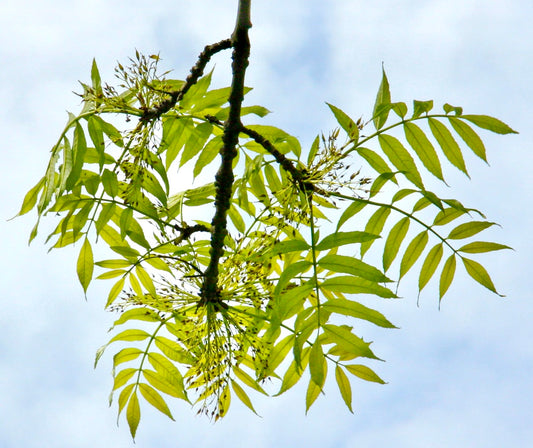
Rooted in eastern woodland ash habitat and widespread across Eurasia and North America, Fraxinus forms stately profiles defined by pinnate ash leaves, opposite branching, and a balanced architecture attuned to seasonal light. The ash tree expresses a dynamic interplay between leaf arrangement and airflow, while ash tree bark evolves in texture as trunks mature. Species such as fraxinus pennsylvanica reveal the genus’s capacity to navigate moisture gradients and broad alluvial plains, situating Fraxinus as a structural presence in temperate forests.

Species diversity and ornamental resonance

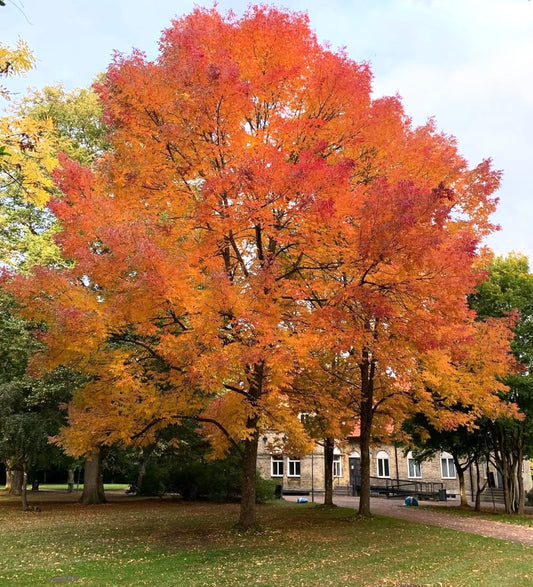
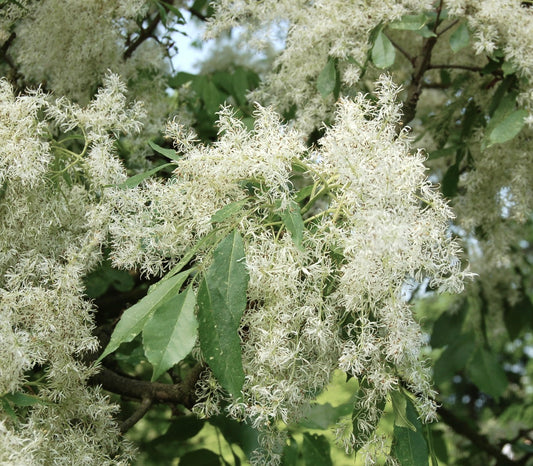
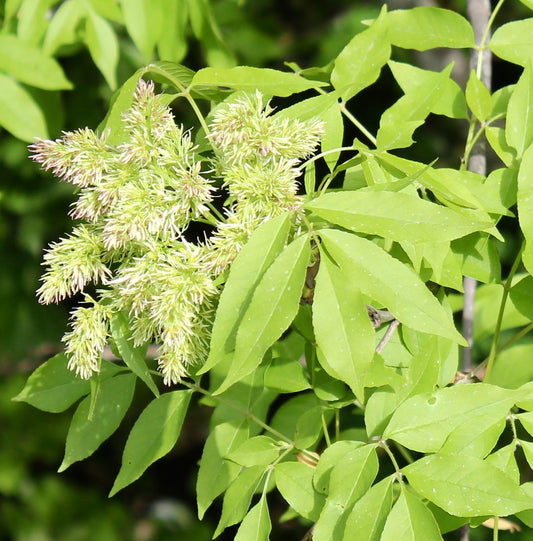
Diversity within Fraxinus includes white ash, recognized for its lustrous foliage and rich autumn tones, and green ash, known for adaptability across shifting soils and climates. Across forms categorised as ash trees, variation appears in leaf density, canopy breadth, and seasonal transitions. Meanwhile, expressions such as ash tree leaf and ash tree foliage highlight fine-textured patterns responding to air movement and changing light. Through these morphological nuances, Fraxinus articulates a refined deciduous ash canopy suited to layered landscapes.

Cultivation and landscape adaptability

In cultivation, Fraxinus favors deep, well-drained soils and exposures that support its light-filtering crown structure. Species like white ash respond to open sun with vivid coloration, while green ash tolerates broader ecological ranges. Maintenance focuses on airflow and structural balance, ensuring that Fraxinus integrates gracefully into parks, corridors, and larger compositions.

  • Leaves modulating light through pinnate geometry

  • Bark textures tracing gradual maturation

  • Crowns shaping coherent spatial rhythm

  • Seasonal leaf cycles enriching temperate designs

Symbolic synthesis and aesthetic meaning

Ultimately, Fraxinus embodies a quiet dialogue between structure, light, and seasonal modulation. Through forms such as ash tree and white ash, the genus reflects endurance and subtle radiance shaped by forest dynamics. In its measured branching and shifting canopy, Fraxinus emerges as a botanical emblem of clarity, rhythm, and ecological continuity.