Corylus – The hazelnut lineage of woodland abundance
Botanical identity and natural form
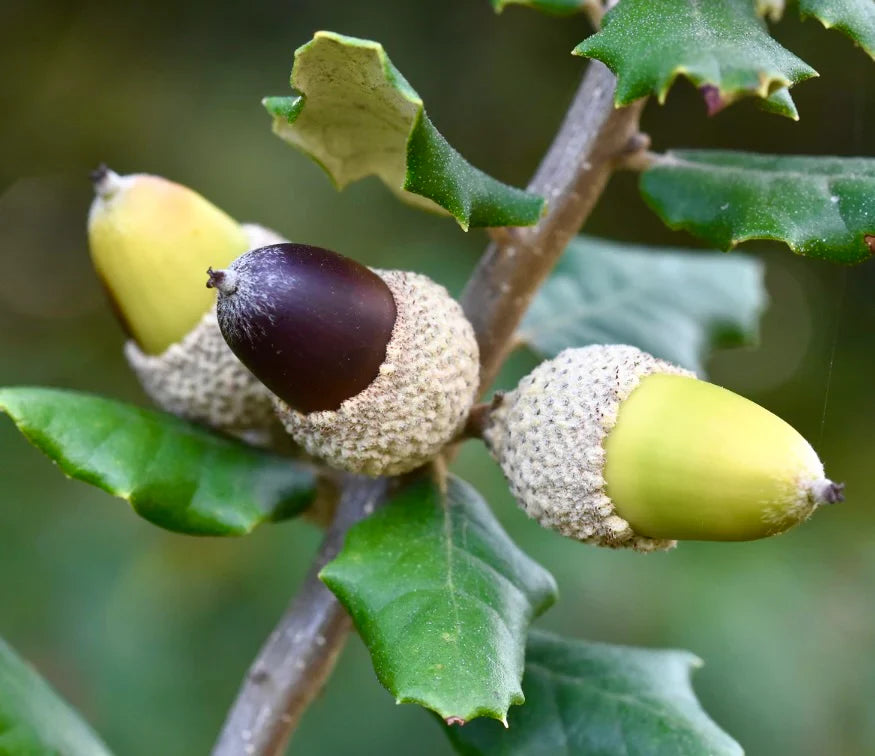
The genus Corylus, belonging to the Betulaceae family, comprises deciduous trees and shrubs native to the temperate forests of the Northern Hemisphere. Known for their rounded leaves, drooping catkins, and sweet edible nuts, these plants are integral to both natural ecosystems and agricultural traditions. Corylus unites the elegance of woodland flora with the generosity of fruit-bearing species, offering shade, structure, and nourishment across landscapes and centuries.
Species diversity and ornamental character
The most familiar species, Corylus avellana—the European hazel—is valued for its nut production and graceful form. Its cultivated varieties, known as filberts, have long been treasured in orchards and gardens for their flavor and reliability. Corylus americana, the American hazelnut, and Corylus cornuta, the beaked hazelnut, enrich forest understories across North America, supporting wildlife and soil diversity. The Turkish hazel (Corylus colurna) grows tall and stately, often used in urban landscapes for its strength and symmetry. Together, these species represent both utility and ornament, merging productivity with natural beauty.
Cultivation and horticultural use
Corylus thrives in fertile, well-drained soils under full sun to partial shade, adapting well to temperate climates. It tolerates wind and cold, making it suitable for hedgerows and mixed plantings. Flowering in late winter, male catkins release pollen ahead of the female blooms, which mature into clusters of nuts by autumn. Regular pruning maintains structure and encourages fruiting. Beyond its harvest, Corylus offers ornamental appeal through its graceful form, textured bark, and seasonal change.
-
Produces edible, protein-rich nuts in autumn
-
Adapts to woodland edges and cultivated gardens
-
Provides ecological value to pollinators and wildlife
-
Combines ornamental structure with agricultural use
Symbolism and enduring value
Corylus has long symbolized wisdom, fertility, and inspiration, its nuts regarded as vessels of hidden knowledge in ancient lore. In landscapes, it stands as a living expression of balance between nature’s generosity and human cultivation. Whether forming forest groves or garden hedges, Corylus unites function and beauty, embodying the enduring rhythm of temperate woodlands.