Chamaecyparis – The refined evergreens of quiet distinction
Botanical identity and natural poise
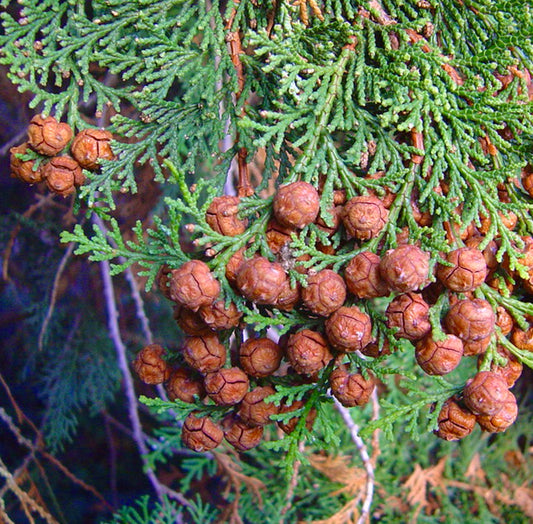
The genus Chamaecyparis, part of the Cupressaceae family, includes a range of evergreen conifers admired for their fine foliage, graceful texture, and refined silhouette. Native to Japan, Taiwan, and North America, these trees and shrubs are known commonly as false cypresses, though their elegance rivals true cedars and junipers alike. With soft, scale-like leaves arranged in intricate sprays and aromatic wood used in temples and craftsmanship, Chamaecyparis embodies the serene strength of the evergreen forest.
Species diversity and ornamental character
Among the most celebrated species, Chamaecyparis obtusa, or Hinoki cypress, is prized for its fan-shaped foliage and compact, pyramidal form, symbolizing longevity and purity in Japanese gardens. Chamaecyparis lawsoniana, known as Lawson cypress or Port Orford cedar, offers a more upright, architectural habit suited to hedges and formal landscapes. The Chamaecyparis thyoides, or Atlantic white cedar, thrives in wetlands and coastal forests, lending silvery tones to native habitats. Cultivars such as ‘Gold Mop’, ‘Crippsii’, and ‘Nana Gracilis’ introduce golden, blue-green, and dwarf forms, uniting color with structure in a harmony of calm precision.
Cultivation and landscape use
Chamaecyparis prefers well-drained, slightly acidic soils and full sun to partial shade, though it adapts well to diverse environments. Hardy and low-maintenance once established, it tolerates pruning and shaping, making it ideal for ornamental hedges, screening, or solitary garden specimens. Regular watering during establishment and mulching to retain soil moisture promote steady growth. The Hinoki cypress, in particular, thrives in humid conditions and rewards patience with slow, stately development and enduring foliage color.
-
Evergreen conifer with delicate, fan-like foliage
-
Thrives in full sun to partial shade with moist, well-drained soil
-
Excellent for hedging, topiary, or specimen planting
-
Symbol of longevity, harmony, and refined simplicity
Symbolism and cultivated serenity
Chamaecyparis represents tranquility, endurance, and purity, its evergreen presence a living reflection of balance and grace. In temple courtyards, mountain groves, and curated gardens alike, its layered fronds and fragrant wood convey stillness and continuity. Whether as the Hinoki cypress of Japan or the Lawson cypress of the Pacific Northwest, Chamaecyparis remains a timeless emblem of nature shaped by patience—a quiet conversation between cultivation and eternity.