Cereus – The towering bloomers of the desert night
Botanical identity and natural elegance
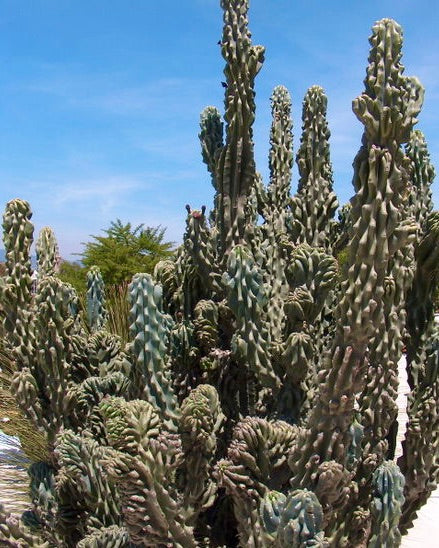
The genus Cereus, belonging to the Cactaceae family, represents a lineage of columnar cacti native to the tropical and subtropical Americas. Known for their tall, ribbed stems and spectacular nocturnal flowers, Cereus species combine architectural form with fleeting beauty. Their name, derived from the Latin for “torch,” reflects their upright growth and luminous blossoms, which open at dusk to reveal delicate, fragrant petals that glow in the moonlight. These night-blooming cacti stand as living monuments to adaptation and grace in arid lands.
Species diversity and visual power
Among its most admired members, Cereus repandus (often called the Peruvian apple cactus) bears edible, pale fruits and can reach towering heights in its native habitat. Cereus hildmannianus and Cereus jamacaru display strong ribbed columns and white, fragrant flowers that attract nocturnal pollinators like moths and bats. Often confused with related genera, Cereus peruvianus is a staple of desert and tropical gardens for its imposing silhouette and occasional bursts of blooms. Each species offers a distinct expression of resilience—organic sculpture shaped by heat, light, and silence.
Cultivation and environmental adaptation
Cereus thrives in well-drained, sandy soils under full sunlight, tolerating heat and drought with ease. It prefers minimal watering, especially during dormant winter months, and benefits from good air circulation. Ideal for rock gardens, dry landscapes, or indoor containers, it brings verticality and texture to minimalist compositions. The night-blooming Cereus, sometimes called the queen of the night, rewards patient growers with magnificent, short-lived flowers, transforming warm nights into rare moments of brilliance.
-
Thrives in arid, sunny, and well-drained conditions
-
Produces large, fragrant flowers that open at night
-
Low-maintenance cactus suited to warm climates
-
Offers edible fruit and striking architectural form
Symbolism and nocturnal mystery
The Cereus flower, blooming only for a single night, has long symbolized ephemeral beauty and awakening. Its brief luminosity reminds us of the transience of life and the splendor found in stillness. Whether towering over the desert or gracing a garden terrace, Cereus stands as a nocturnal muse—a cactus of endurance, silence, and the sudden light of bloom beneath the stars.