Ceratonia – The carob trees of Mediterranean endurance
Botanical identity and natural history
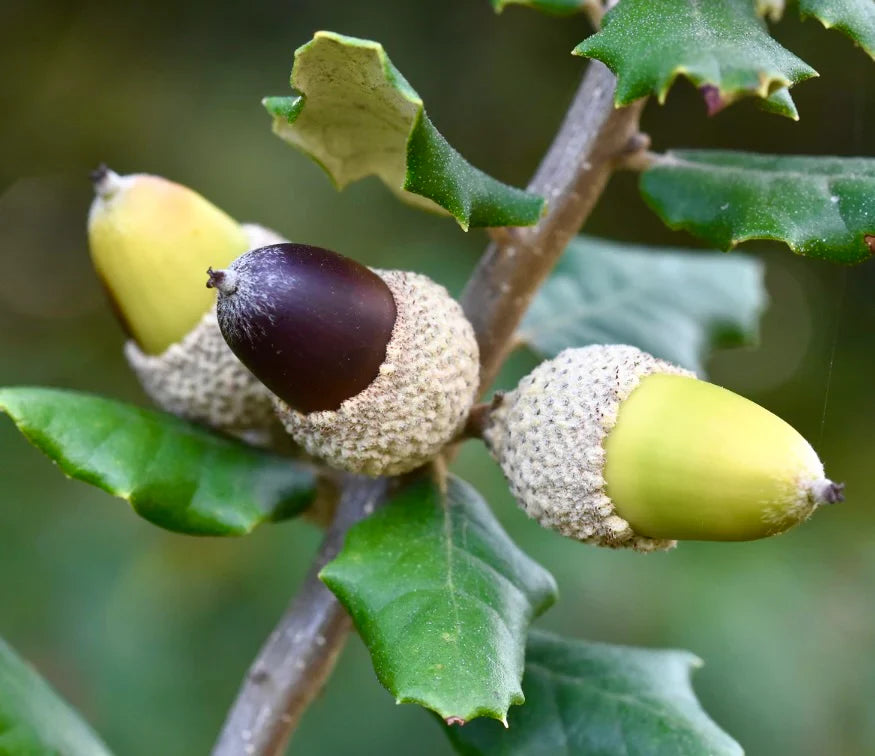
The genus Ceratonia, belonging to the Fabaceae family, is best known through its emblematic species Ceratonia siliqua, the carob tree. Native to the Mediterranean Basin, this evergreen tree embodies the resilience and quiet abundance of arid landscapes. Its thick, glossy leaves and twisting branches form a dense canopy of shade, while its leathery seed pods—rich in natural sugars—have sustained people, livestock, and ecosystems for millennia. A true xeric tree, Ceratonia symbolizes fertility in scarcity, thriving where water is rare and light is constant.
Species character and cultural resonance
The Ceratonia siliqua, or carob, stands as one of the oldest cultivated trees of the Old World, cherished for both nutrition and symbolism. Its edible pods, once a staple food in ancient Greece and the Levant, became known as “locust beans,” while their uniform seeds gave rise to the carat, a measure of gold and gem weight. Beyond its practical uses, the carob tree features in mythology and scripture as a tree of refuge and generosity. Its subtle flowers, without show but rich in scent, mark the quiet rhythm of the Mediterranean year—evergreen endurance beneath endless sun.
Cultivation and ecological adaptation
Ceratonia thrives in well-drained, calcareous soils and full sunlight, tolerating drought, salt, and poor fertility. Ideal for coastal or dry inland areas, it forms deep roots that anchor slopes and prevent erosion. Slow-growing yet long-lived, the carob tree rewards patience with longevity and resilience. Its pods serve as fodder, food, and natural sweetener, while carob gum, extracted from the seeds, remains valuable in modern industries. Minimal irrigation and pruning maintain its form, making Ceratonia a sustainable choice for xeriscapes and regenerative agriculture.
-
Tolerant of drought, salt, and calcareous soils
-
Produces edible, nutrient-rich pods with natural sweetness
-
Evergreen foliage provides shade and soil stabilization
-
A symbol of endurance and sustainable cultivation
Symbolism and timeless harmony
Across centuries, Ceratonia has symbolized patience, generosity, and steadfast growth. Its roots mirror the wisdom of dry lands—quiet, enduring, and balanced. Whether in ancient orchards or modern gardens, the carob tree remains a living link between tradition and resilience: a reminder that beauty often lies not in abundance, but in balance with the land.