Celtis – The quiet strength of forest and city
Botanical identity and natural character
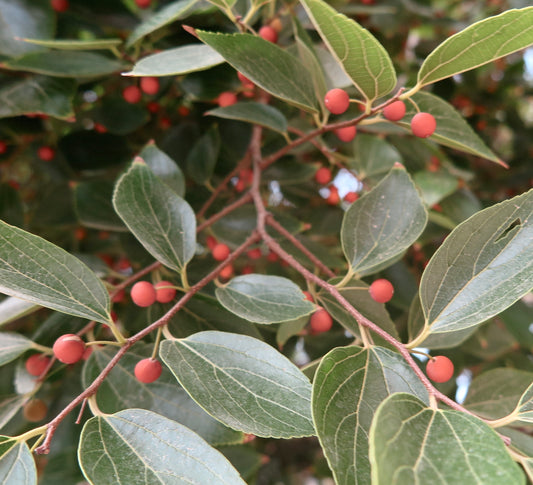
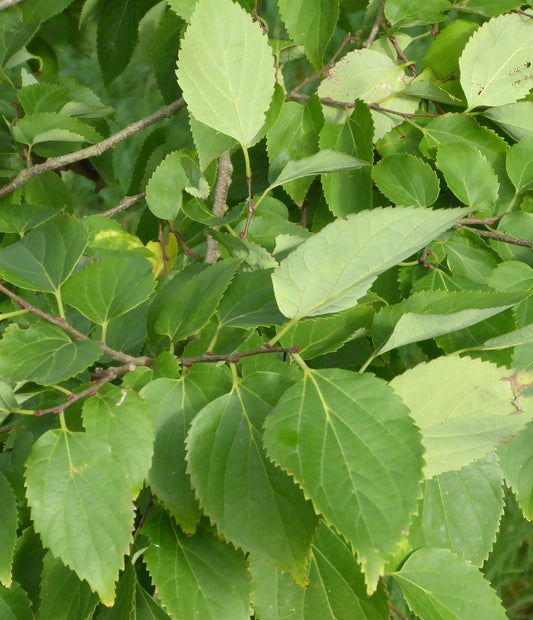
The genus Celtis, belonging to the Cannabaceae family, brings together a group of deciduous trees known for their adaptability, resilience, and ecological value. Commonly called hackberries or nettle trees, these species are native to temperate and subtropical regions across the world. With their rough bark, asymmetrical leaves, and small, berry-like drupes, Celtis trees balance rugged strength with subtle grace, serving as vital components in both wild woodlands and urban landscapes.
Species diversity and ecological importance
Among the best-known species, Celtis occidentalis, the common hackberry, defines the forests and riverbanks of North America, thriving where other hardwoods struggle. The Celtis laevigata, or sugarberry, grows throughout the southern United States, bearing sweet fruits for birds and mammals. In Europe, Celtis australis, the European nettle tree, graces Mediterranean hillsides with a dignified silhouette and silvery foliage. Each species demonstrates remarkable adaptability—capable of withstanding drought, wind, and urban stress—while sustaining biodiversity through fruit, shade, and shelter.
Cultivation and landscape resilience
Celtis thrives in well-drained soils under full sun to partial shade, tolerating a wide range of conditions including heat, cold, and poor substrates. Its deep roots and tough wood make it a preferred urban tree, resilient against pollution and compaction. The hackberry tree requires little maintenance, forming a dense canopy ideal for wildlife and human refuge alike. Its modest blossoms give way to orange or purple fruits, feeding birds throughout winter. Long-lived and low-maintenance, Celtis represents a perfect harmony between endurance and quiet utility.
-
Thrives in diverse soils and climates with minimal care
-
Provides food and habitat for wildlife year-round
-
Suitable for urban, park, and woodland settings
-
Offers dense shade and elegant seasonal texture
Symbolism and quiet endurance
Symbolizing resilience, humility, and balance, Celtis stands as an unsung hero of forest and city. Its unassuming beauty hides a strength that endures drought, frost, and time itself. Whether the common hackberry of the plains or the sugarberry of the South, Celtis reminds us that quiet persistence often sustains the world—its roots deep, its branches wide, its spirit calm.