Aporocactus – The cascading artistry of desert epiphytes
Botanical identity and natural form
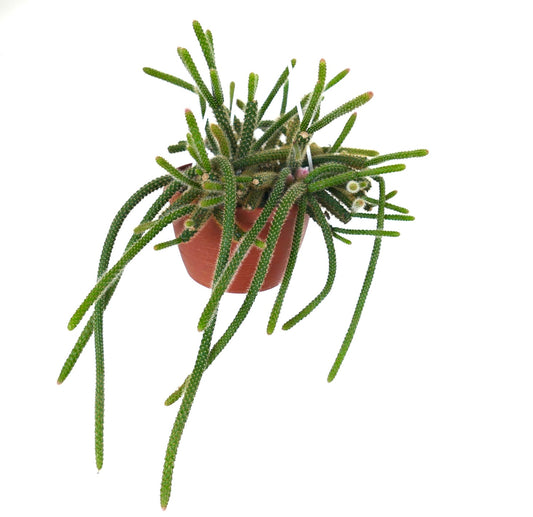
The genus Aporocactus, part of the Cactaceae family, represents a graceful lineage of epiphytic cacti adapted to dry forests and rocky cliffs of Mexico and Central America. Characterized by their pendulous, slender stems and brilliant tubular flowers, these plants embody a dialogue between aridity and elegance. The genus thrives in the borderlands of desert and woodland, storing water in its flexible stems and blooming profusely in bright sunlight. In nature, Aporocactus anchors itself to rocks or trees, forming cascades of living architecture.
Species diversity and floral abundance
Among the most admired forms of Aporocactus are the flagelliformis and rat tail cactus varieties. Known for their vivid magenta or pink blooms, they add movement and drama to hanging gardens and arid compositions. The rattail cactus expresses its beauty through texture and rhythm—its long, coiling stems evoking natural sculpture. Cultivars such as rat tail plant and rat tail succulent highlight how this genus bridges wilderness aesthetics with modern container culture, combining resilience with ornamental delicacy.
Cultivation and environmental adaptation
Aporocactus prospers in bright light with filtered sun and well-drained soils rich in mineral content. It requires regular watering during growth periods, followed by rest in winter to encourage flowering. The rat tail cactus care routine emphasizes airflow, moderate feeding, and protection from frost. Hanging baskets or elevated planters enhance the genus’s natural form, allowing its stems to cascade freely—capturing both gravity and light in fluid motion.
-
Ideal for hanging displays and architectural planting
-
Produces vivid tubular flowers in spring and summer
-
Requires bright light and excellent drainage
-
Adapted to arid and semi-arid microhabitats
Symbolism and botanical expression
In cultivation, Aporocactus symbolizes grace through resilience—a plant that transforms harshness into fluid beauty. Its trailing stems mirror the flow of desert winds, while its blooms punctuate the landscape with fleeting brilliance. Whether in rocky crevices or modern interiors, Aporocactus reveals how endurance and fragility coexist in the same botanical form—an embodiment of nature’s sculptural rhythm and timeless artistry.