Juniperus

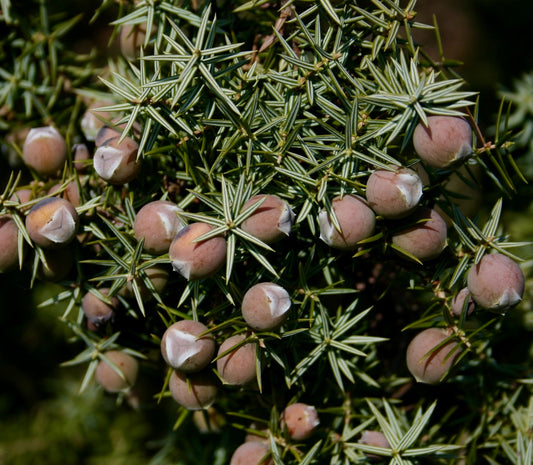
Juniperus defines a group of evergreen conifers adapted to rocky slopes and open woodlands, where scale-like aromatic foliage and a needle-to-scale leaf transition support survival under wind and drought. These drought-tolerant conifer species develop wind-shaped growth habit and maintain structure year-round, while blue glaucous berry cones add restrained seasonal detail. From upright trees to spreading shrubs, this genus expresses endurance through mineral soils, exposure, and slow, deliberate growth.

Juniperus – The resinous silhouettes of wind and stone

Botanical identity and origin

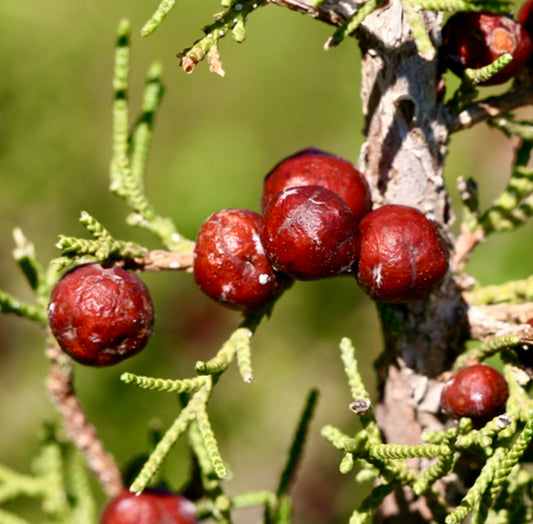
Widespread across the Northern Hemisphere, Juniperus occupies rocky slopes and open woodlands where exposure, poor soils, and climatic extremes limit less resilient taxa. The genus includes trees and an evergreen conifer shrub habit, unified by resinous tissues and adaptive foliage. Many forms exhibit a needle-to-scale leaf transition as plants mature, balancing protection and efficiency. Species such as juniperus communis illustrate this versatility, anchoring dry, mineral landscapes where wind and sun shape long-lived coniferous structures.

Species diversity and ornamental resonance

Diversity within Juniperus is expressed through stature, branching pattern, and foliar texture. Juniperus virginiana develops upright, columnar profiles, while juniperus horizontalis spreads low across the ground, stabilizing exposed substrates. Species like juniperus sabina and juniperus chinensis contribute contrasting silhouettes, from compact shrubs to layered canopies. Across these forms, scale-like aromatic foliage and wind-shaped growth habit define a visual language rooted in endurance rather than seasonal display.

Cultivation and landscape adaptability

In cultivation, Juniperus thrives in full sun, sharply drained soils, and conditions that reflect its origin as a drought-tolerant conifer species. Minimal irrigation and open air circulation favor dense growth and long-term stability. Reproductive structures appear as blue glaucous berry cones, adding subtle seasonal interest without altering the plant’s architectural role. These traits make the genus fundamental to dry gardens, slopes, and naturalistic plantings.

  • Branches sculpted by persistent airflow

  • Foliage releasing resinous aromatic notes

  • Forms maintaining structure through winter

  • Growth responding slowly to environmental change

Symbolic synthesis and aesthetic meaning

Ultimately, Juniperus conveys a poetics of resilience and restraint. Through species such as juniperus communis and juniperus virginiana, the genus reflects landscapes shaped by wind, stone, and time. Its enduring silhouettes and evergreen presence render Juniperus a botanical emblem of persistence, clarity, and structural calm.