Aloe
The Aloe genus captures the geometry of desert life through sculptural succulent forms and vivid blooms. Including vera plant and other drought-tolerant types, it thrives in sunlit, well-drained soils, balancing form and function. Adapted to dry gardens and containers, Aloe combines ecological value with timeless beauty. Its enduring vitality and healing symbolism make it a botanical emblem of survival, balance, and natural artistry across arid and architectural landscapes.
-
Aloe ngobitensis (ex Specks, Exotica) 5-10cm | Ngobit aloe
Regular price €40,00Regular priceUnit price / perSale price €40,00Sold out -
Aloe palmiformis near Lubango, ANGOLA (ex Specks, Exotica) 15-30cm
Regular price €90,00Regular priceUnit price / perSale price €90,00Sold out -
Aloe palmiformis near Lubango, ANGOLA (ex Specks, Exotica) 5-10cm
Regular price €65,00Regular priceUnit price / perSale price €65,00Sold out -
Aloe petricola 10-15cm | Stone Aloe | Rock Aloe
Regular price €16,50Regular priceUnit price / perSale price €16,50 -
Aloe petricola 40-60cm | Stone aloe | Rock aloe
Regular price €35,50Regular priceUnit price / perSale price €35,50Sold out -
Aloe pseudoparvula (Antoetra Hills, MADAGASCAR) 15-30cm | Aloe
Regular price €95,00Regular priceUnit price / perSale price €95,00Sold out -
Aloe pseudoparvula (Antoetra Hills, MADAGASCAR) 5-10cm | Aloe
Regular price €75,00Regular priceUnit price / perSale price €75,00Sold out -
Aloe rabaiensis (near Lake Eyasi, TANZANIA) 15-30cm | Rabai aloe
Regular price €90,00Regular priceUnit price / perSale price €90,00Sold out -
Aloe rabaiensis (near Lake Eyasi, TANZANIA) 5-10cm | Rabai aloe
Regular price €70,00Regular priceUnit price / perSale price €70,00Sold out -
Aloe rebmannii (North East of Fort Dauphin, MADAGASCAR) 15-30cm | Aloe
Regular price €95,00Regular priceUnit price / perSale price €95,00Sold out -
Aloe rebmannii (North East of Fort Dauphin, MADAGASCAR) 5-10cm
Regular price €75,00Regular priceUnit price / perSale price €75,00Sold out -
Aloe saponaria 30-50cm | Soap aloe | Zebra aloe
Regular price €12,00Regular priceUnit price / perSale price €12,00Sold out -
Aloe saponaria 8-15cm | Soap aloe | Zebra aloe
Regular price €6,00Regular priceUnit price / perSale price €6,00 -
Aloe specie from OMAN (ex Specks, Exotica) 15-30cm | Oman aloe
Regular price €65,00Regular priceUnit price / perSale price €65,00Sold out -
Aloe specie from OMAN (ex Specks, Exotica) 5-10cm | Aloe
Regular price €45,00Regular priceUnit price / perSale price €45,00Sold out -
Aloe striata 15-20cm HIGH | Coral aloe | Striped aloe
Regular price €18,20Regular priceUnit price / perSale price €18,20
Aloe – The living geometry of arid landscapes
Botanical identity and natural adaptation
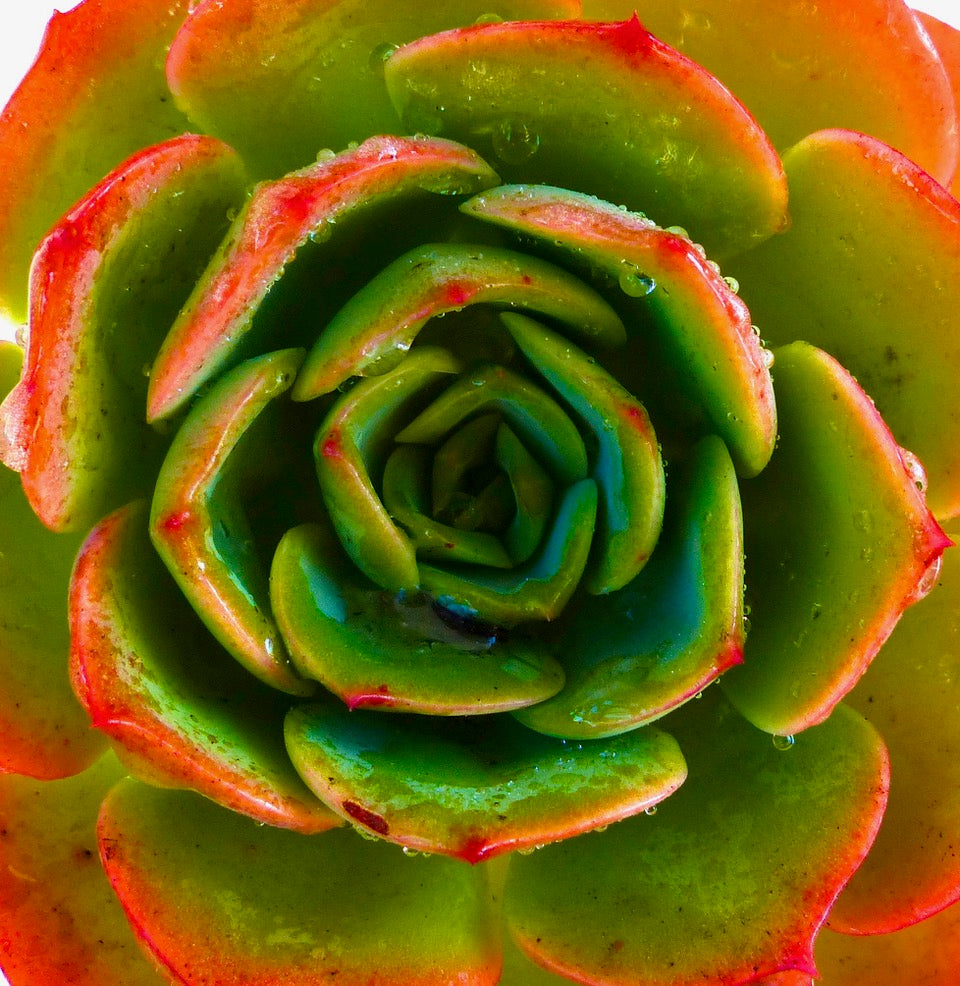
The genus Aloe, part of the Asphodelaceae family, embodies a striking synthesis of succulence and structure. Native to arid and semi-arid regions of Africa and the Arabian Peninsula, Aloe species have evolved to endure drought with thick, water-retaining leaves and resilient root systems. Their rosettes, edged with subtle teeth, form natural sculptures that capture both sunlight and admiration. Beyond aesthetics, Aloe plays an ecological role in stabilizing dry soils and offering nectar to pollinators in harsh climates.
Diversity, form, and ornamental presence
From the compact forms of vera plant types to the towering silhouettes of tree species, Aloe demonstrates remarkable variety. The vera plant flower is celebrated for its tubular blooms in shades of orange, yellow, or coral, attracting bees and sunbirds alike. Its sculptural leaves, often marked by patterns or spines, bring rhythm to desert gardens and architectural spaces. Whether solitary or mass-planted, Aloe integrates color, geometry, and endurance, creating living compositions that evoke timeless desert elegance.
Cultivation and environmental versatility
Aloe thrives in well-drained soils, abundant sunlight, and minimal irrigation. Adapted to both containers and open landscapes, it flourishes in dry gardens, rockeries, or as structural accents in modern design. While species like vera plant care varieties prefer gentle shade in extreme heat, most withstand periods of neglect and recover quickly. Over time, mature plants produce offshoots, expanding naturally and maintaining visual balance in xeric compositions.
-
Ideal for minimalist and arid garden compositions
-
Provides nectar for pollinators and ecological value
-
Thrives in containers and low-maintenance environments
-
Brings sculptural form and natural resilience to design
Symbolism and timeless resilience
Across civilizations, Aloe has symbolized healing, endurance, and renewal. Its ability to survive scarcity and flourish under intense light mirrors the tenacity of life itself. In both natural habitats and cultivated spaces, Aloe remains a living emblem of harmony between form, function, and adaptation—a plant that unites ancient lineage with contemporary beauty in every architectural or ecological context.
Collections
-
Books & Readings
Books and Readings: Discover the World of Plants Through Pages Why Read...